Buy anatomy46.eu ?
We are moving the project
anatomy46.eu .
Are you interested in purchasing the domain
anatomy46.eu ?
domain@kv-gmbh.de · 0541-91531010
Buy anatomy46.eu ?
What does VP mean to you?
To me, VP stands for Vice President, a position of leadership and responsibility within an organization or government. The VP is often seen as the second-in-command, supporting and working closely with the President or CEO to help guide the direction and decision-making of the organization. The VP role represents a level of authority and influence, as well as a commitment to driving the success and growth of the entity they serve. **
Which lens mount does this lens have?
This lens has a Canon EF lens mount. This means it is compatible with Canon DSLR cameras that use the EF mount, as well as some mirrorless cameras with an EF to RF mount adapter. The EF mount is a widely used and versatile mount, allowing for compatibility with a wide range of Canon cameras. **


Similar search terms for Frielitz-014000422-VP-Lens-combination
Top-Angebote
Products related to Frielitz-014000422-VP-Lens-combination:
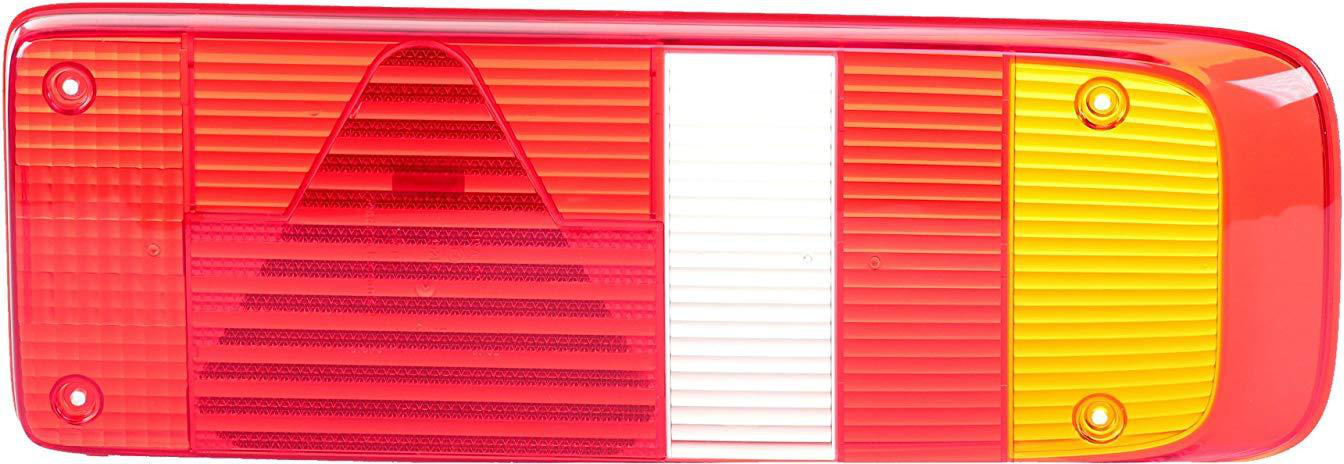
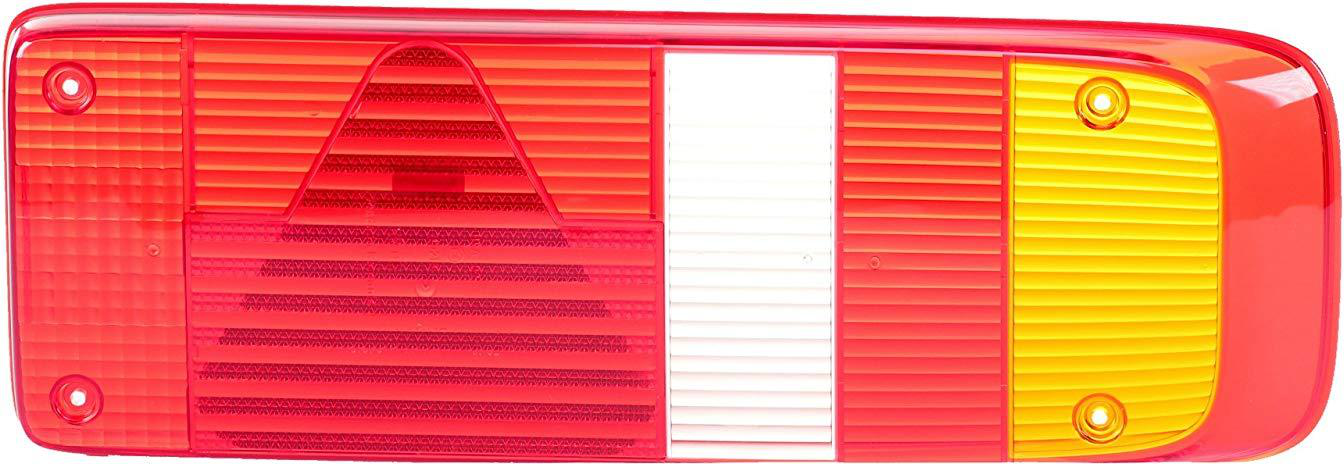
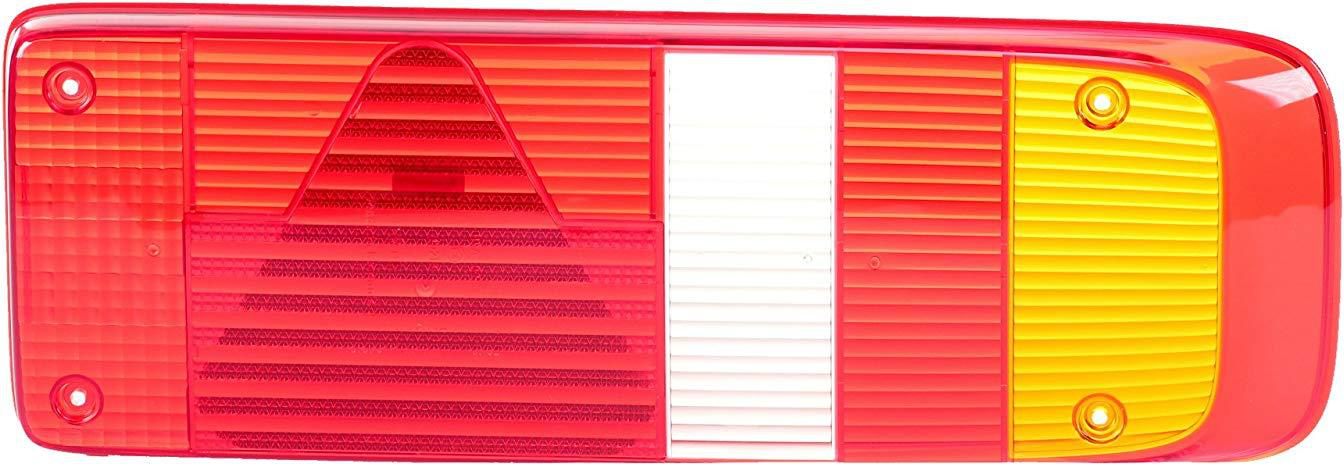

-
Why is this blood group combination not possible?
This blood group combination is not possible because a person with blood type O negative can only receive blood from other O negative donors due to the presence of anti-A and anti-B antibodies in their blood. Blood type AB positive individuals have both A and B antigens on their red blood cells, which would trigger a severe immune response if transfused into a person with O negative blood. Therefore, the incompatibility of antigens and antibodies between these two blood types makes this combination impossible for safe blood transfusion. **
-
Is there a lens hood for the lens?
Yes, there is a lens hood available for the lens. A lens hood is a useful accessory that helps to reduce lens flare and glare by blocking unwanted light from entering the lens. It can also provide some protection for the front element of the lens. It is recommended to use a lens hood whenever possible to improve the overall image quality. **
-
Which Canon lens is better: the 18-135 or the combination of the 18-55 and the 55-250?
The answer to this question depends on your specific needs and preferences. The Canon 18-135mm lens offers a versatile focal range in a single lens, making it convenient for everyday shooting. On the other hand, the combination of the 18-55mm and 55-250mm lenses provides a wider range of focal lengths, which can be beneficial for capturing a variety of subjects such as landscapes and wildlife. Ultimately, if you prioritize convenience and versatility, the 18-135mm lens may be the better option, while if you value a wider range of focal lengths and potentially higher image quality, the combination of the 18-55mm and 55-250mm lenses could be more suitable. **
-
What does the lens do during autofocus 2 lens?
During autofocus, the lens in a camera with autofocus 2 technology adjusts its position to bring the subject into sharp focus. This is achieved through the movement of internal lens elements controlled by the camera's autofocus system. The lens continuously makes small adjustments to its focus position until the subject is in focus, allowing for quick and accurate focusing. This technology is particularly useful for capturing fast-moving subjects or for ensuring sharp focus in challenging lighting conditions. **

Is the converging lens the same as the diverging lens?
No, a converging lens and a diverging lens are not the same. A converging lens is thicker in the middle and causes parallel rays of light to converge at a focal point, while a diverging lens is thinner in the middle and causes parallel rays of light to diverge. Converging lenses are used to create real images, while diverging lenses are used to create virtual images. Therefore, the two types of lenses have different optical properties and applications. **
Which type of lens is better suited for wildlife photography: a prime lens or a zoom lens?
A zoom lens is generally better suited for wildlife photography because it offers versatility in framing the subject without having to physically move closer or further away. This is especially important when photographing unpredictable wildlife in their natural habitat. However, a prime lens can also be effective for wildlife photography, particularly for capturing specific details or in situations where a lighter and more compact lens is preferred. Ultimately, the choice between a prime lens and a zoom lens for wildlife photography depends on the specific needs and preferences of the photographer. **
Top-Angebote
Products related to Frielitz-014000422-VP-Lens-combination:
-
What does VP mean to you?
To me, VP stands for Vice President, a position of leadership and responsibility within an organization or government. The VP is often seen as the second-in-command, supporting and working closely with the President or CEO to help guide the direction and decision-making of the organization. The VP role represents a level of authority and influence, as well as a commitment to driving the success and growth of the entity they serve. **
-
Which lens mount does this lens have?
This lens has a Canon EF lens mount. This means it is compatible with Canon DSLR cameras that use the EF mount, as well as some mirrorless cameras with an EF to RF mount adapter. The EF mount is a widely used and versatile mount, allowing for compatibility with a wide range of Canon cameras. **
-
Why is this blood group combination not possible?
This blood group combination is not possible because a person with blood type O negative can only receive blood from other O negative donors due to the presence of anti-A and anti-B antibodies in their blood. Blood type AB positive individuals have both A and B antigens on their red blood cells, which would trigger a severe immune response if transfused into a person with O negative blood. Therefore, the incompatibility of antigens and antibodies between these two blood types makes this combination impossible for safe blood transfusion. **
-
Is there a lens hood for the lens?
Yes, there is a lens hood available for the lens. A lens hood is a useful accessory that helps to reduce lens flare and glare by blocking unwanted light from entering the lens. It can also provide some protection for the front element of the lens. It is recommended to use a lens hood whenever possible to improve the overall image quality. **
Similar search terms for Frielitz-014000422-VP-Lens-combination
-
Which Canon lens is better: the 18-135 or the combination of the 18-55 and the 55-250?
The answer to this question depends on your specific needs and preferences. The Canon 18-135mm lens offers a versatile focal range in a single lens, making it convenient for everyday shooting. On the other hand, the combination of the 18-55mm and 55-250mm lenses provides a wider range of focal lengths, which can be beneficial for capturing a variety of subjects such as landscapes and wildlife. Ultimately, if you prioritize convenience and versatility, the 18-135mm lens may be the better option, while if you value a wider range of focal lengths and potentially higher image quality, the combination of the 18-55mm and 55-250mm lenses could be more suitable. **
-
What does the lens do during autofocus 2 lens?
During autofocus, the lens in a camera with autofocus 2 technology adjusts its position to bring the subject into sharp focus. This is achieved through the movement of internal lens elements controlled by the camera's autofocus system. The lens continuously makes small adjustments to its focus position until the subject is in focus, allowing for quick and accurate focusing. This technology is particularly useful for capturing fast-moving subjects or for ensuring sharp focus in challenging lighting conditions. **
-
Is the converging lens the same as the diverging lens?
No, a converging lens and a diverging lens are not the same. A converging lens is thicker in the middle and causes parallel rays of light to converge at a focal point, while a diverging lens is thinner in the middle and causes parallel rays of light to diverge. Converging lenses are used to create real images, while diverging lenses are used to create virtual images. Therefore, the two types of lenses have different optical properties and applications. **
-
Which type of lens is better suited for wildlife photography: a prime lens or a zoom lens?
A zoom lens is generally better suited for wildlife photography because it offers versatility in framing the subject without having to physically move closer or further away. This is especially important when photographing unpredictable wildlife in their natural habitat. However, a prime lens can also be effective for wildlife photography, particularly for capturing specific details or in situations where a lighter and more compact lens is preferred. Ultimately, the choice between a prime lens and a zoom lens for wildlife photography depends on the specific needs and preferences of the photographer. **
* All prices are inclusive of VAT and, if applicable, plus shipping costs. The offer information is based on the details provided by the respective shop and is updated through automated processes. Real-time updates do not occur, so deviations can occur in individual cases. ** Note: Parts of this content were created by AI.