Buy anatomy46.eu ?
We are moving the project
anatomy46.eu .
Are you interested in purchasing the domain
anatomy46.eu ?
domain@kv-gmbh.de · 0541-91531010
Buy anatomy46.eu ?
Why do some people find blood and organs disgusting?
Some people find blood and organs disgusting due to a combination of cultural, psychological, and evolutionary factors. Culturally, there may be taboos or stigmas surrounding blood and bodily organs, leading to a learned aversion. Psychologically, the sight of blood and organs may trigger a fear response or feelings of disgust, which can be influenced by individual differences in sensitivity and past experiences. From an evolutionary perspective, disgust towards blood and organs may have developed as a way to avoid potential sources of infection or disease, as they can carry pathogens. Overall, the aversion to blood and organs can be influenced by a complex interplay of cultural, psychological, and evolutionary factors. **
Do Pokémon have organs like flesh or muscles like a human?
Pokémon are fictional creatures, and their anatomy is not fully explained in the Pokémon universe. However, they are often depicted as having physical bodies with flesh, muscles, and other organs similar to those of real animals. In the Pokémon games, TV shows, and movies, they are shown to have physical forms and exhibit behaviors that suggest they have internal organs and musculature. While the specifics of their anatomy may not be fully detailed, it is generally understood that Pokémon have physical bodies with similar biological components to real animals. **


Similar search terms for Pagoda
Top-Angebote
Products related to Pagoda:
-
Touch of Class Oriental Pagoda Key CabinetThe exotic Oriental Pagoda Key Wall Cabinet hangs on your wall and tucks away your key rings out of sight. Wooden cabinet resembles an ancient gate and has a distressed red finish. Resin roof and braces are done in bronze with copper and verdi...85,00 $*Shipping: 15,95 $Secure redirect to the provider
-
A-Street Prints Helaine Charcoal Pagoda WallpaperElevate the look and feel of your home with this elegant toile wallpaper. Petite pagodas, floral medallions, and flowering branches are the main features of this chinoiserie-inspired design, all inked in shades of grey on white.118,49 $*Shipping: 0,00 $Secure redirect to the provider
-
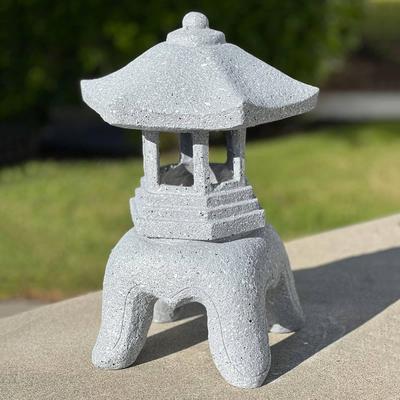
Galt International "Pagoda With Solar Statue 17""H"Crafted from high-quality polyresin, this garden statue is both durable and lightweight, making it easy to move and position as needed. The intricate details and realistic design make it a great addition to any garden, patio, or outdoor space.65,49 $*Shipping: 0,00 $Secure redirect to the provider



-
Are all organs of the human body surrounded by blood?
No, not all organs of the human body are surrounded by blood. While blood vessels do supply most organs with oxygen and nutrients, there are some organs that do not have direct blood supply, such as the cornea of the eye and the cartilage in joints. These organs receive nutrients and oxygen through diffusion from nearby blood vessels. **
-
What kind of skeleton and blood dragons are there in Skyrim?
In Skyrim, there are two types of dragons: skeletal dragons and blood dragons. Skeletal dragons are reanimated dragon corpses that are encountered in certain areas of the game. They are typically more powerful than regular dragons and have a unique appearance with a skeletal frame. Blood dragons, on the other hand, are a type of dragon that is characterized by their red, blood-like scales. They are one of the more common types of dragons encountered in the game and are known for their aggressive nature and powerful attacks. **
-
Can organs also be affected by fibromyalgia or does it only affect the muscles?
Fibromyalgia primarily affects the muscles, causing widespread pain, tenderness, and fatigue. However, it can also affect other parts of the body, including the organs. Some people with fibromyalgia may experience symptoms such as irritable bowel syndrome, bladder issues, and headaches. Additionally, fibromyalgia has been associated with conditions like temporomandibular joint disorder and restless legs syndrome, which can impact the jaw and legs, respectively. While the exact relationship between fibromyalgia and these other symptoms is not fully understood, it is clear that the condition can have a broader impact on the body beyond just the muscles. **
-
What are the functions of organs, blood, plasma, bone marrow, and organ transport?
Organs perform specific functions within the body, such as the heart pumping blood, the lungs exchanging oxygen and carbon dioxide, and the liver filtering toxins. Blood carries oxygen, nutrients, and hormones to cells, and removes waste products. Plasma is the liquid component of blood that carries these substances. Bone marrow produces blood cells, including red blood cells, white blood cells, and platelets. Organ transport, such as the circulatory system, moves blood and other substances throughout the body to support the functions of various organs and tissues. **


Why are these organs being supplied with blood while the others are not?
The organs being supplied with blood are likely vital for immediate survival, such as the heart and brain. These organs require a constant supply of oxygen and nutrients to function properly. In a situation where blood flow is restricted, the body prioritizes these essential organs to ensure their continued function. Other organs may have reduced blood flow in order to redirect resources to the vital organs. **
What are functional organs and machine organs?
Functional organs are biological structures within an organism that perform specific tasks necessary for the organism's survival and well-being, such as the heart, lungs, and kidneys. Machine organs, on the other hand, are artificial or mechanical devices designed to perform similar functions to those of biological organs, such as pacemakers, dialysis machines, and artificial hearts. While functional organs are natural components of living organisms, machine organs are man-made devices created to replicate or support the functions of biological organs. **
Top-Angebote
Products related to Pagoda:
-
Allan Andrews Pagoda BowlThis handcrafted ceramic vessel features a vibrant red floral motif inspired by Mediterranean artistry. The intricate hand-painted design adds warmth and character, making it a perfect accent for shelves, tables, or countertops.108,00 $*Shipping: 0,00 $Secure redirect to the provider
-
Arthouse Akio Blue Pagoda WallpaperBask in the serenity of peaceful mountain retreats with this wallpaper. Elegant pagodas, mountain peaks, and various pines are painted in watercolors to create a scenic collage that provides instant tranquility.27,99 $*Shipping: 0,00 $Secure redirect to the provider
-
Touch of Class Oriental Pagoda Key CabinetThe exotic Oriental Pagoda Key Wall Cabinet hangs on your wall and tucks away your key rings out of sight. Wooden cabinet resembles an ancient gate and has a distressed red finish. Resin roof and braces are done in bronze with copper and verdi...85,00 $*Shipping: 15,95 $Secure redirect to the provider
-
A-Street Prints Helaine Charcoal Pagoda WallpaperElevate the look and feel of your home with this elegant toile wallpaper. Petite pagodas, floral medallions, and flowering branches are the main features of this chinoiserie-inspired design, all inked in shades of grey on white.118,49 $*Shipping: 0,00 $Secure redirect to the provider
-
Why do some people find blood and organs disgusting?
Some people find blood and organs disgusting due to a combination of cultural, psychological, and evolutionary factors. Culturally, there may be taboos or stigmas surrounding blood and bodily organs, leading to a learned aversion. Psychologically, the sight of blood and organs may trigger a fear response or feelings of disgust, which can be influenced by individual differences in sensitivity and past experiences. From an evolutionary perspective, disgust towards blood and organs may have developed as a way to avoid potential sources of infection or disease, as they can carry pathogens. Overall, the aversion to blood and organs can be influenced by a complex interplay of cultural, psychological, and evolutionary factors. **
-
Do Pokémon have organs like flesh or muscles like a human?
Pokémon are fictional creatures, and their anatomy is not fully explained in the Pokémon universe. However, they are often depicted as having physical bodies with flesh, muscles, and other organs similar to those of real animals. In the Pokémon games, TV shows, and movies, they are shown to have physical forms and exhibit behaviors that suggest they have internal organs and musculature. While the specifics of their anatomy may not be fully detailed, it is generally understood that Pokémon have physical bodies with similar biological components to real animals. **
-
Are all organs of the human body surrounded by blood?
No, not all organs of the human body are surrounded by blood. While blood vessels do supply most organs with oxygen and nutrients, there are some organs that do not have direct blood supply, such as the cornea of the eye and the cartilage in joints. These organs receive nutrients and oxygen through diffusion from nearby blood vessels. **
-
What kind of skeleton and blood dragons are there in Skyrim?
In Skyrim, there are two types of dragons: skeletal dragons and blood dragons. Skeletal dragons are reanimated dragon corpses that are encountered in certain areas of the game. They are typically more powerful than regular dragons and have a unique appearance with a skeletal frame. Blood dragons, on the other hand, are a type of dragon that is characterized by their red, blood-like scales. They are one of the more common types of dragons encountered in the game and are known for their aggressive nature and powerful attacks. **
Similar search terms for Pagoda
-
Galt International "Pagoda With Solar Statue 17""H"Crafted from high-quality polyresin, this garden statue is both durable and lightweight, making it easy to move and position as needed. The intricate details and realistic design make it a great addition to any garden, patio, or outdoor space.65,49 $*Shipping: 0,00 $Secure redirect to the provider
-
Allan Andrews Pagoda PitcherThis handcrafted ceramic vessel features a vibrant red floral motif inspired by Mediterranean artistry. The intricate hand-painted design adds warmth and character, making it a perfect accent for shelves, tables, or countertops.135,00 $*Shipping: 0,00 $Secure redirect to the provider
-
Can organs also be affected by fibromyalgia or does it only affect the muscles?
Fibromyalgia primarily affects the muscles, causing widespread pain, tenderness, and fatigue. However, it can also affect other parts of the body, including the organs. Some people with fibromyalgia may experience symptoms such as irritable bowel syndrome, bladder issues, and headaches. Additionally, fibromyalgia has been associated with conditions like temporomandibular joint disorder and restless legs syndrome, which can impact the jaw and legs, respectively. While the exact relationship between fibromyalgia and these other symptoms is not fully understood, it is clear that the condition can have a broader impact on the body beyond just the muscles. **
-
What are the functions of organs, blood, plasma, bone marrow, and organ transport?
Organs perform specific functions within the body, such as the heart pumping blood, the lungs exchanging oxygen and carbon dioxide, and the liver filtering toxins. Blood carries oxygen, nutrients, and hormones to cells, and removes waste products. Plasma is the liquid component of blood that carries these substances. Bone marrow produces blood cells, including red blood cells, white blood cells, and platelets. Organ transport, such as the circulatory system, moves blood and other substances throughout the body to support the functions of various organs and tissues. **
-
Why are these organs being supplied with blood while the others are not?
The organs being supplied with blood are likely vital for immediate survival, such as the heart and brain. These organs require a constant supply of oxygen and nutrients to function properly. In a situation where blood flow is restricted, the body prioritizes these essential organs to ensure their continued function. Other organs may have reduced blood flow in order to redirect resources to the vital organs. **
-
What are functional organs and machine organs?
Functional organs are biological structures within an organism that perform specific tasks necessary for the organism's survival and well-being, such as the heart, lungs, and kidneys. Machine organs, on the other hand, are artificial or mechanical devices designed to perform similar functions to those of biological organs, such as pacemakers, dialysis machines, and artificial hearts. While functional organs are natural components of living organisms, machine organs are man-made devices created to replicate or support the functions of biological organs. **
* All prices are inclusive of VAT and, if applicable, plus shipping costs. The offer information is based on the details provided by the respective shop and is updated through automated processes. Real-time updates do not occur, so deviations can occur in individual cases. ** Note: Parts of this content were created by AI.