Buy anatomy46.eu ?
We are moving the project
anatomy46.eu .
Are you interested in purchasing the domain
anatomy46.eu ?
domain@kv-gmbh.de · 0541-91531010
Buy anatomy46.eu ?
Does the coleus have very large leaves?
Yes, the coleus plant is known for its large, colorful leaves. The size of the leaves can vary depending on the specific variety of coleus, but many have leaves that can grow to be quite large, often reaching several inches in length and width. The striking foliage is one of the main attractions of the coleus plant, making it a popular choice for adding visual interest to gardens and indoor spaces. **
Why can't winter have blue leaves?
Winter can't have blue leaves because the color of leaves is determined by the presence of chlorophyll, which gives them their green color. In winter, the chlorophyll breaks down and the other pigments in the leaves, such as carotenoids and anthocyanins, become more visible, giving the leaves their yellow, orange, and red hues. Blue pigments are not typically present in leaves, so they cannot turn blue in the winter. **


Similar search terms for Chesapeake-Coleus-Blue-Leaves
Top-Angebote
Products related to Chesapeake-Coleus-Blue-Leaves:
-
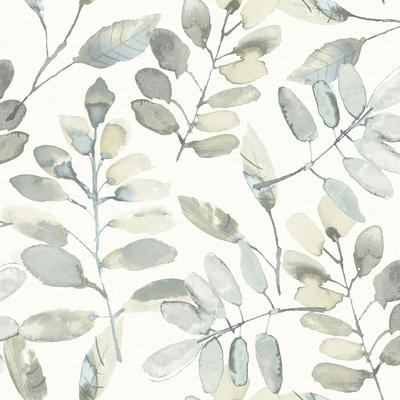
Chesapeake Pinnate Blue Leaves WallpaperIncorporate a hand-painted botanical element into your space with this serene wallpaper. Leafy stems are painted with watercolor blues along an off-white, faux linen backdrop. Pinnate is a prepasted, non woven blend wallpaper.102,00 $*Shipping: 0,00 $Secure redirect to the provider
-
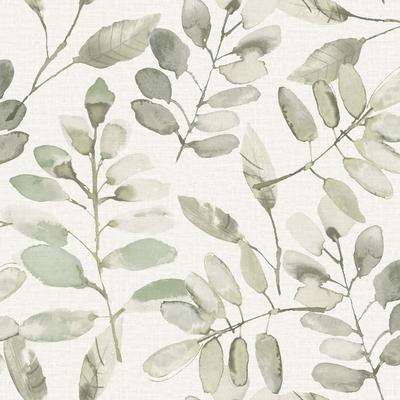
Chesapeake Pinnate Grey Leaves WallpaperBring the outdoors in with this serene botanical print. Watercolor leaves in grey tones and a hint of blue are laid over an off-white, faux linen background. Pinnate is a prepasted, non woven blend wallpaper.102,00 $*Shipping: 0,00 $Secure redirect to the provider


-
What happened to the coleus plant?
The coleus plant was overwatered, causing root rot to develop. This led to the plant's leaves turning yellow and wilting. Despite efforts to save the plant by adjusting its watering schedule, the root rot had already progressed too far, resulting in the eventual death of the coleus plant. **
-
What is wrong with my coleus plant?
There could be several reasons why your coleus plant is not looking healthy. Some common issues include overwatering, underwatering, inadequate sunlight, or pests. Check the soil moisture level by sticking your finger into the soil - if it feels dry, it may need more water. Ensure the plant is receiving enough indirect sunlight, as coleus plants thrive in bright, indirect light. Additionally, inspect the plant for any signs of pests such as spider mites or aphids, which can also cause damage to the plant. **
-
How can new varieties of coleus be bred?
New varieties of coleus can be bred through a process called hybridization. This involves cross-pollinating two different coleus plants with desirable traits to create offspring with a combination of those traits. The offspring are then grown and evaluated for their characteristics, with the best ones selected for further breeding. This process is repeated over several generations to stabilize the desired traits and create a new variety of coleus. Additionally, advancements in biotechnology, such as genetic engineering, can also be used to introduce specific traits into coleus plants. **
-
How to make joints from seaweed leaves?
To make joints from seaweed leaves, start by selecting large, flexible seaweed leaves such as nori or kelp. Lay the seaweed flat on a clean surface and place your desired filling in the center. Roll the seaweed tightly around the filling, making sure to tuck in the edges as you go. Use a bit of water to seal the edge of the seaweed and prevent it from unraveling. Finally, slice the rolled seaweed into smaller pieces to create individual joints. **

How to make joints from algae leaves?
To make joints from algae leaves, you will first need to harvest fresh algae leaves from a clean water source. Then, you will need to dry the leaves thoroughly to remove any excess moisture. Once the leaves are dry, you can roll them into a joint shape and use a thin strip of another material, such as paper or a thin leaf, to secure the joint. Finally, you can enjoy smoking the algae joint, being mindful of the potential health risks associated with smoking any substance. **
How can one propagate cuttings of the Blue Paul vine with small leaves?
To propagate cuttings of the Blue Paul vine with small leaves, you can start by taking a cutting from a healthy, mature plant. Make sure the cutting has at least one node, which is where the roots will develop. Remove any lower leaves to expose the node, then dip the cut end in rooting hormone to encourage root growth. Plant the cutting in a well-draining soil mix, keep it consistently moist, and place it in a warm, humid environment with indirect sunlight. With proper care and attention, the cutting should develop roots and eventually grow into a new Blue Paul vine plant. **
Top-Angebote
Products related to Chesapeake-Coleus-Blue-Leaves:
-
Chesapeake Pinnate Blue Leaves WallpaperIncorporate a hand-painted botanical element into your space with this serene wallpaper. Leafy stems are painted with watercolor blues along an off-white, faux linen backdrop. Pinnate is a prepasted, non woven blend wallpaper.102,00 $*Shipping: 0,00 $Secure redirect to the provider
-
Chesapeake Pinnate Grey Leaves WallpaperBring the outdoors in with this serene botanical print. Watercolor leaves in grey tones and a hint of blue are laid over an off-white, faux linen background. Pinnate is a prepasted, non woven blend wallpaper.102,00 $*Shipping: 0,00 $Secure redirect to the provider
-
Does the coleus have very large leaves?
Yes, the coleus plant is known for its large, colorful leaves. The size of the leaves can vary depending on the specific variety of coleus, but many have leaves that can grow to be quite large, often reaching several inches in length and width. The striking foliage is one of the main attractions of the coleus plant, making it a popular choice for adding visual interest to gardens and indoor spaces. **
-
Why can't winter have blue leaves?
Winter can't have blue leaves because the color of leaves is determined by the presence of chlorophyll, which gives them their green color. In winter, the chlorophyll breaks down and the other pigments in the leaves, such as carotenoids and anthocyanins, become more visible, giving the leaves their yellow, orange, and red hues. Blue pigments are not typically present in leaves, so they cannot turn blue in the winter. **
-
What happened to the coleus plant?
The coleus plant was overwatered, causing root rot to develop. This led to the plant's leaves turning yellow and wilting. Despite efforts to save the plant by adjusting its watering schedule, the root rot had already progressed too far, resulting in the eventual death of the coleus plant. **
-
What is wrong with my coleus plant?
There could be several reasons why your coleus plant is not looking healthy. Some common issues include overwatering, underwatering, inadequate sunlight, or pests. Check the soil moisture level by sticking your finger into the soil - if it feels dry, it may need more water. Ensure the plant is receiving enough indirect sunlight, as coleus plants thrive in bright, indirect light. Additionally, inspect the plant for any signs of pests such as spider mites or aphids, which can also cause damage to the plant. **
Similar search terms for Chesapeake-Coleus-Blue-Leaves
-
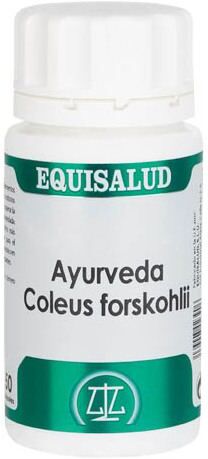
Equisalud Ayurveda Coleus Forskohlii 50 CapsNutrition and Supplements Algae, Mushrooms and Medicinal Fungi Equisalud Ayurveda Coleus Forskohlii 50 Caps Food supplement based on Coleus forskohlii. Instructions for use: - Take 2 capsules a day, one in the morning and one in the evening, or as directed by a specialist. - Suitable for vegetarians, diabetics and patients with restrictive diets.12,80 £*Shipping: 3,99 £Secure redirect to the provider
-
How can new varieties of coleus be bred?
New varieties of coleus can be bred through a process called hybridization. This involves cross-pollinating two different coleus plants with desirable traits to create offspring with a combination of those traits. The offspring are then grown and evaluated for their characteristics, with the best ones selected for further breeding. This process is repeated over several generations to stabilize the desired traits and create a new variety of coleus. Additionally, advancements in biotechnology, such as genetic engineering, can also be used to introduce specific traits into coleus plants. **
-
How to make joints from seaweed leaves?
To make joints from seaweed leaves, start by selecting large, flexible seaweed leaves such as nori or kelp. Lay the seaweed flat on a clean surface and place your desired filling in the center. Roll the seaweed tightly around the filling, making sure to tuck in the edges as you go. Use a bit of water to seal the edge of the seaweed and prevent it from unraveling. Finally, slice the rolled seaweed into smaller pieces to create individual joints. **
-
How to make joints from algae leaves?
To make joints from algae leaves, you will first need to harvest fresh algae leaves from a clean water source. Then, you will need to dry the leaves thoroughly to remove any excess moisture. Once the leaves are dry, you can roll them into a joint shape and use a thin strip of another material, such as paper or a thin leaf, to secure the joint. Finally, you can enjoy smoking the algae joint, being mindful of the potential health risks associated with smoking any substance. **
-
How can one propagate cuttings of the Blue Paul vine with small leaves?
To propagate cuttings of the Blue Paul vine with small leaves, you can start by taking a cutting from a healthy, mature plant. Make sure the cutting has at least one node, which is where the roots will develop. Remove any lower leaves to expose the node, then dip the cut end in rooting hormone to encourage root growth. Plant the cutting in a well-draining soil mix, keep it consistently moist, and place it in a warm, humid environment with indirect sunlight. With proper care and attention, the cutting should develop roots and eventually grow into a new Blue Paul vine plant. **
* All prices are inclusive of VAT and, if applicable, plus shipping costs. The offer information is based on the details provided by the respective shop and is updated through automated processes. Real-time updates do not occur, so deviations can occur in individual cases. ** Note: Parts of this content were created by AI.