Buy anatomy46.eu ?
We are moving the project
anatomy46.eu .
Are you interested in purchasing the domain
anatomy46.eu ?
domain@kv-gmbh.de · 0541-91531010
Buy anatomy46.eu ?
What leaf disease or infestation does my butterfly bush (Buddleja davidii) have?
Without a visual inspection, it is difficult to accurately diagnose the specific leaf disease or infestation affecting your butterfly bush (Buddleja davidii). However, common issues that can affect butterfly bushes include powdery mildew, spider mites, and caterpillar infestations. It is recommended to closely examine the leaves for any signs of white powdery substance, webbing, or chewed areas to determine the exact problem and take appropriate measures for treatment. **
Where can I watch Patrick Melrose for free?
Unfortunately, as of now, there is no legal way to watch Patrick Melrose for free. The show is not available on any free streaming platforms. However, you may be able to find it on subscription-based streaming services like Amazon Prime Video or Hulu, where you can sign up for a free trial to watch the show. **

Similar search terms for Melrose-International-Leaf-Butterfly
Top-Angebote
Products related to Melrose-International-Leaf-Butterfly:
-
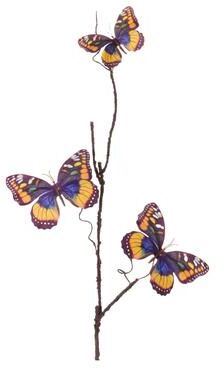
Melrose International Butterfly Twig Spray (Set of 4)Bring a whimsical flutter of charm to your décor with this Butterfly Spray Set. These tall faux butterfly sprays add playful movement and a touch of nature-inspired magic to floral arrangements, spring centerpieces, or seasonal displays.32,49 $*Shipping: 0,00 $Secure redirect to the provider
-
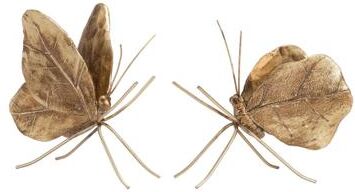
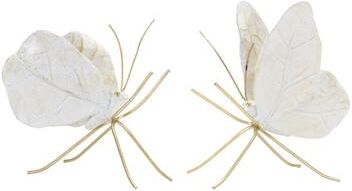
Melrose International Leaf Butterfly Shelf Sitter (Set of 2)Add a trendy touch of nature with this stunning set of Butterfly Shelf Sitters. Featuring two assorted designs, this set is a great fit for your mid-century modern or boho style of décor.33,99 $*Shipping: 0,00 $Secure redirect to the provider



-
What leaf disease or infestation does my summer lilac (butterfly bush, Buddleja davidii) have?
It is difficult to determine the specific leaf disease or infestation without a visual inspection. However, common issues that affect summer lilacs include powdery mildew, spider mites, and aphids. Powdery mildew appears as a white powdery substance on the leaves, while spider mites and aphids can cause discoloration, distortion, or stippling on the leaves. It is recommended to closely examine the leaves for any signs of pests or diseases and take appropriate measures for treatment. **
-
Which muscles are most needed for butterfly swimming?
The muscles most needed for butterfly swimming are the chest muscles (pectoralis major), shoulder muscles (deltoids), upper back muscles (latissimus dorsi), and core muscles (abdominals and lower back). These muscles are essential for generating power and propulsion during the butterfly stroke. Additionally, strong leg muscles (quadriceps and hamstrings) are also important for kicking and maintaining a streamlined body position in the water. Regular strength training focusing on these muscle groups can help improve performance in butterfly swimming. **
-
Which muscles are most needed for the butterfly stroke?
The muscles most needed for the butterfly stroke are the chest muscles (pectoralis major), shoulder muscles (deltoids), upper back muscles (latissimus dorsi), and core muscles (abdominals). These muscles work together to provide the power and propulsion needed to execute the butterfly stroke effectively. Additionally, strong leg muscles (quadriceps and hamstrings) are also important for kicking and maintaining a streamlined body position in the water. **
-
For the butterfly stroke, which muscles are most needed?
The butterfly stroke primarily relies on the muscles of the upper body, including the chest, shoulders, and arms. The chest muscles (pectoralis major) are important for the powerful arm movements, while the shoulder muscles (deltoids) help with the circular motion of the arms. The arm muscles, particularly the triceps and biceps, are crucial for propelling the body forward in the water. Additionally, the core muscles play a significant role in stabilizing the body and providing the necessary strength for the undulating body movement in the butterfly stroke. **

Why is the butterfly called butterfly in English?
The origin of the word "butterfly" in English is uncertain, but one theory suggests that it may have come from the Old English word "buttorfleoge," which means "butterfly." This could be because butterflies were often seen fluttering around dairy products like butter. Another theory is that the name comes from the yellow color of some species, resembling the color of butter. Ultimately, the exact reason for the name "butterfly" remains a bit of a mystery. **
Why is the leaf actually leaf-shaped?
The leaf is leaf-shaped because its shape is adapted to optimize photosynthesis, the process by which plants convert sunlight into energy. The broad, flat shape of a leaf maximizes the surface area exposed to sunlight, allowing for more efficient absorption of light. This shape also facilitates the exchange of gases, such as carbon dioxide and oxygen, with the environment. Overall, the leaf's shape is a result of natural selection favoring traits that enhance the plant's ability to capture sunlight and carry out essential biological processes. **
Top-Angebote
Products related to Melrose-International-Leaf-Butterfly:
-
Melrose International Leaf Butterfly Shelf Sitter (Set of 2)Add a trendy touch of nature with this stunning set of Butterfly Shelf Sitters. Featuring two assorted designs, this set is a great fit for your mid-century modern or boho style of décor.31,48 $*Shipping: 0,00 $Secure redirect to the provider
-
Melrose International Butterfly Twig Spray (Set of 4)Bring a whimsical flutter of charm to your décor with this Butterfly Spray Set. These tall faux butterfly sprays add playful movement and a touch of nature-inspired magic to floral arrangements, spring centerpieces, or seasonal displays.32,49 $*Shipping: 0,00 $Secure redirect to the provider
-
What leaf disease or infestation does my butterfly bush (Buddleja davidii) have?
Without a visual inspection, it is difficult to accurately diagnose the specific leaf disease or infestation affecting your butterfly bush (Buddleja davidii). However, common issues that can affect butterfly bushes include powdery mildew, spider mites, and caterpillar infestations. It is recommended to closely examine the leaves for any signs of white powdery substance, webbing, or chewed areas to determine the exact problem and take appropriate measures for treatment. **
-
Where can I watch Patrick Melrose for free?
Unfortunately, as of now, there is no legal way to watch Patrick Melrose for free. The show is not available on any free streaming platforms. However, you may be able to find it on subscription-based streaming services like Amazon Prime Video or Hulu, where you can sign up for a free trial to watch the show. **
-
What leaf disease or infestation does my summer lilac (butterfly bush, Buddleja davidii) have?
It is difficult to determine the specific leaf disease or infestation without a visual inspection. However, common issues that affect summer lilacs include powdery mildew, spider mites, and aphids. Powdery mildew appears as a white powdery substance on the leaves, while spider mites and aphids can cause discoloration, distortion, or stippling on the leaves. It is recommended to closely examine the leaves for any signs of pests or diseases and take appropriate measures for treatment. **
-
Which muscles are most needed for butterfly swimming?
The muscles most needed for butterfly swimming are the chest muscles (pectoralis major), shoulder muscles (deltoids), upper back muscles (latissimus dorsi), and core muscles (abdominals and lower back). These muscles are essential for generating power and propulsion during the butterfly stroke. Additionally, strong leg muscles (quadriceps and hamstrings) are also important for kicking and maintaining a streamlined body position in the water. Regular strength training focusing on these muscle groups can help improve performance in butterfly swimming. **
Similar search terms for Melrose-International-Leaf-Butterfly
-
Melrose International Leaf Butterfly Shelf Sitter (Set of 2)Add a trendy touch of nature with this stunning set of Butterfly Shelf Sitters. Featuring two assorted designs, this set is a great fit for your mid-century modern or boho style of décor.33,99 $*Shipping: 0,00 $Secure redirect to the provider
-
Melrose International Butterfly Twig Spray (Set of 4)Add a whimsical pop of color with the Butterfly Twig Spray Set in beautiful blue and yellow hues. Each spray features playful butterfly shapes and realistic details, bringing a lively, nature-inspired touch to your decor.44,49 $*Shipping: 0,00 $Secure redirect to the provider
-
Melrose International Butterfly Twig Spray (Set of 4)Add a whimsical touch of nature to your home with the Butterfly Twig Spray Set. Featuring vibrant orange and blue tones, this spray showcases playful butterfly shapes with a realistic design that brings life and color to any space.40,99 $*Shipping: 0,00 $Secure redirect to the provider
-
Which muscles are most needed for the butterfly stroke?
The muscles most needed for the butterfly stroke are the chest muscles (pectoralis major), shoulder muscles (deltoids), upper back muscles (latissimus dorsi), and core muscles (abdominals). These muscles work together to provide the power and propulsion needed to execute the butterfly stroke effectively. Additionally, strong leg muscles (quadriceps and hamstrings) are also important for kicking and maintaining a streamlined body position in the water. **
-
For the butterfly stroke, which muscles are most needed?
The butterfly stroke primarily relies on the muscles of the upper body, including the chest, shoulders, and arms. The chest muscles (pectoralis major) are important for the powerful arm movements, while the shoulder muscles (deltoids) help with the circular motion of the arms. The arm muscles, particularly the triceps and biceps, are crucial for propelling the body forward in the water. Additionally, the core muscles play a significant role in stabilizing the body and providing the necessary strength for the undulating body movement in the butterfly stroke. **
-
Why is the butterfly called butterfly in English?
The origin of the word "butterfly" in English is uncertain, but one theory suggests that it may have come from the Old English word "buttorfleoge," which means "butterfly." This could be because butterflies were often seen fluttering around dairy products like butter. Another theory is that the name comes from the yellow color of some species, resembling the color of butter. Ultimately, the exact reason for the name "butterfly" remains a bit of a mystery. **
-
Why is the leaf actually leaf-shaped?
The leaf is leaf-shaped because its shape is adapted to optimize photosynthesis, the process by which plants convert sunlight into energy. The broad, flat shape of a leaf maximizes the surface area exposed to sunlight, allowing for more efficient absorption of light. This shape also facilitates the exchange of gases, such as carbon dioxide and oxygen, with the environment. Overall, the leaf's shape is a result of natural selection favoring traits that enhance the plant's ability to capture sunlight and carry out essential biological processes. **
* All prices are inclusive of VAT and, if applicable, plus shipping costs. The offer information is based on the details provided by the respective shop and is updated through automated processes. Real-time updates do not occur, so deviations can occur in individual cases. ** Note: Parts of this content were created by AI.