Buy anatomy46.eu ?
We are moving the project
anatomy46.eu .
Are you interested in purchasing the domain
anatomy46.eu ?
domain@kv-gmbh.de · 0541-91531010
Buy anatomy46.eu ?
What are sensory cells, sensory organs, and senses?
Sensory cells are specialized cells that detect and respond to specific stimuli, such as light, sound, touch, taste, and smell. These cells are found in sensory organs, which are structures in the body that contain sensory cells and are responsible for detecting and transmitting sensory information to the brain. The senses, on the other hand, are the physiological capacities of organisms that provide data for perception. They include sight, hearing, touch, taste, and smell, and are essential for experiencing and interacting with the environment. **
What are artificial sensory organs?
Artificial sensory organs are devices designed to mimic the functions of natural sensory organs, such as the eyes, ears, and skin. These devices use advanced technology to detect and process sensory information, allowing individuals to perceive and interact with their environment in a way that is similar to natural sensory organs. Artificial sensory organs have the potential to enhance or restore sensory capabilities for individuals with disabilities, as well as to provide new sensory experiences for people without impairments. These technologies have the potential to revolutionize healthcare and human-computer interaction. **

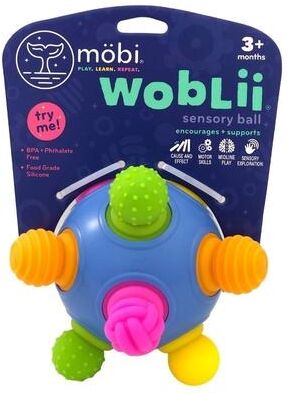
Similar search terms for Mobi-Gumlii-Sensory-Teether
Top-Angebote
Products related to Mobi-Gumlii-Sensory-Teether:
-
Uplifted Finds Soft Stuffed Giraffe Sensory Teether Doll 2 Dog 801Support your infant's early sensory and oral development with this Soft Stuffed Giraffe Teether, a specialized infant toy designed to act as an efficient tool for tactile exploration and gum relief. Specifically engineered with a plush animal...96,97 $*Shipping: 0,00 $Secure redirect to the provider
-
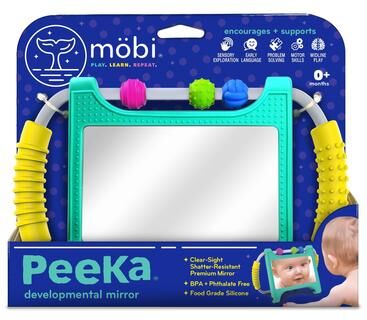
Mobi Peeka Development MirrorPEEKA® developmental mirror was designed by our team of doctors, therapists and parents to help children explore, learn and grow. When you place PEEKA® in the hands of your little ones, you will be amazed at the variety of ways they find to play...30,49 $*Shipping: 0,00 $Secure redirect to the provider
-
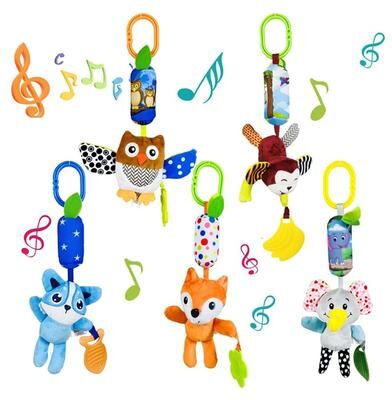
Uplifted Finds Soft Animal Hanging Handbells Rattles Plush Sensory Toy With Teether For Newborn Gifts blue CatStimulate your baby's early development with these Soft Animal Hanging Handbells Rattles. These Plush Infant Baby Development tools are designed as interactive Handle Sensory Toys, featuring an integrated Teether to soothe sore gums. Perfectly sized...102,97 $*Shipping: 0,00 $Secure redirect to the provider


-
What are the sensory organs in biology?
Sensory organs in biology are specialized structures that detect and respond to stimuli from the environment. These organs include the eyes for vision, the ears for hearing, the nose for smell, the tongue for taste, and the skin for touch. Each sensory organ is designed to detect specific types of stimuli and transmit signals to the brain for processing and interpretation. These organs play a crucial role in allowing organisms to interact with their surroundings and respond to changes in their environment. **
-
Which sensory organs does the human not possess?
The human body does not possess sensory organs for detecting electromagnetic fields, such as those produced by magnets or electrical currents. While some animals, like sharks and birds, have specialized organs for detecting these fields, humans do not have this ability. Additionally, humans do not have sensory organs for detecting infrared or ultraviolet light, which some animals can perceive. **
-
What are nerve cells and sensory organs in biology?
Nerve cells, also known as neurons, are the basic building blocks of the nervous system. They are specialized cells that transmit information through electrical and chemical signals. Sensory organs are specialized structures in the body that detect and respond to external stimuli, such as light, sound, touch, taste, and smell. These organs include the eyes, ears, skin, tongue, and nose, and they play a crucial role in allowing organisms to perceive and interact with their environment. **
-
What are stimuli and sensory organs in roller coasters?
Stimuli in roller coasters are the various forces and sensations experienced by riders, such as changes in speed, direction, and elevation. These stimuli can include acceleration, deceleration, and changes in gravitational forces. Sensory organs in roller coasters refer to the body's sensory systems, including the vestibular system (responsible for balance and spatial orientation) and the visual and proprioceptive systems (responsible for perceiving motion and body position). These sensory organs work together to process the stimuli experienced during the ride, allowing riders to perceive and respond to the various forces and sensations. **

Which three substances can be recognized with the sensory organs?
The sensory organs can recognize various substances, but three common ones are salt, sugar, and bitter compounds. The taste buds on the tongue can detect saltiness, sweetness, and bitterness, allowing us to perceive and differentiate between these substances. Additionally, the olfactory system in the nose can also recognize a wide range of substances through the sense of smell, including various chemicals, foods, and environmental odors. **
In which everyday situations should one protect their sensory organs?
One should protect their sensory organs in everyday situations such as when working with loud machinery or power tools to prevent damage to their ears. It is also important to protect the eyes from harmful UV rays by wearing sunglasses when outdoors for extended periods of time. Additionally, when cooking or working with chemicals, it is important to protect the eyes from potential splashes or fumes. Overall, it is important to be mindful of protecting sensory organs in any situation that could potentially cause harm or damage. **
Top-Angebote
Products related to Mobi-Gumlii-Sensory-Teether:
-
Uplifted Finds Soft Stuffed Giraffe Sensory Teether Doll 2 Dog 801Support your infant's early sensory and oral development with this Soft Stuffed Giraffe Teether, a specialized infant toy designed to act as an efficient tool for tactile exploration and gum relief. Specifically engineered with a plush animal...96,97 $*Shipping: 0,00 $Secure redirect to the provider
-
Mobi Peeka Development MirrorPEEKA® developmental mirror was designed by our team of doctors, therapists and parents to help children explore, learn and grow. When you place PEEKA® in the hands of your little ones, you will be amazed at the variety of ways they find to play...30,49 $*Shipping: 0,00 $Secure redirect to the provider
-
What are sensory cells, sensory organs, and senses?
Sensory cells are specialized cells that detect and respond to specific stimuli, such as light, sound, touch, taste, and smell. These cells are found in sensory organs, which are structures in the body that contain sensory cells and are responsible for detecting and transmitting sensory information to the brain. The senses, on the other hand, are the physiological capacities of organisms that provide data for perception. They include sight, hearing, touch, taste, and smell, and are essential for experiencing and interacting with the environment. **
-
What are artificial sensory organs?
Artificial sensory organs are devices designed to mimic the functions of natural sensory organs, such as the eyes, ears, and skin. These devices use advanced technology to detect and process sensory information, allowing individuals to perceive and interact with their environment in a way that is similar to natural sensory organs. Artificial sensory organs have the potential to enhance or restore sensory capabilities for individuals with disabilities, as well as to provide new sensory experiences for people without impairments. These technologies have the potential to revolutionize healthcare and human-computer interaction. **
-
What are the sensory organs in biology?
Sensory organs in biology are specialized structures that detect and respond to stimuli from the environment. These organs include the eyes for vision, the ears for hearing, the nose for smell, the tongue for taste, and the skin for touch. Each sensory organ is designed to detect specific types of stimuli and transmit signals to the brain for processing and interpretation. These organs play a crucial role in allowing organisms to interact with their surroundings and respond to changes in their environment. **
-
Which sensory organs does the human not possess?
The human body does not possess sensory organs for detecting electromagnetic fields, such as those produced by magnets or electrical currents. While some animals, like sharks and birds, have specialized organs for detecting these fields, humans do not have this ability. Additionally, humans do not have sensory organs for detecting infrared or ultraviolet light, which some animals can perceive. **
Similar search terms for Mobi-Gumlii-Sensory-Teether
-
Uplifted Finds Soft Animal Hanging Handbells Rattles Plush Sensory Toy With Teether For Newborn Gifts blue CatStimulate your baby's early development with these Soft Animal Hanging Handbells Rattles. These Plush Infant Baby Development tools are designed as interactive Handle Sensory Toys, featuring an integrated Teether to soothe sore gums. Perfectly sized...102,97 $*Shipping: 0,00 $Secure redirect to the provider
-
Tiny Tots Teens Trends Developmental Learning Teether Toys, Montessori Baby Sensory Teething Toys, Chewable Rattles Boys & Girls yellowStimulate Your Babys Development with Montessori Sensory Teething Toys Designed for 1yearold boys and girls, Montessori baby sensory teething toys are not only fun but also help develop essential motor skills. These chewable rattles encourage...29,97 $*Shipping: 0,00 $Secure redirect to the provider
-
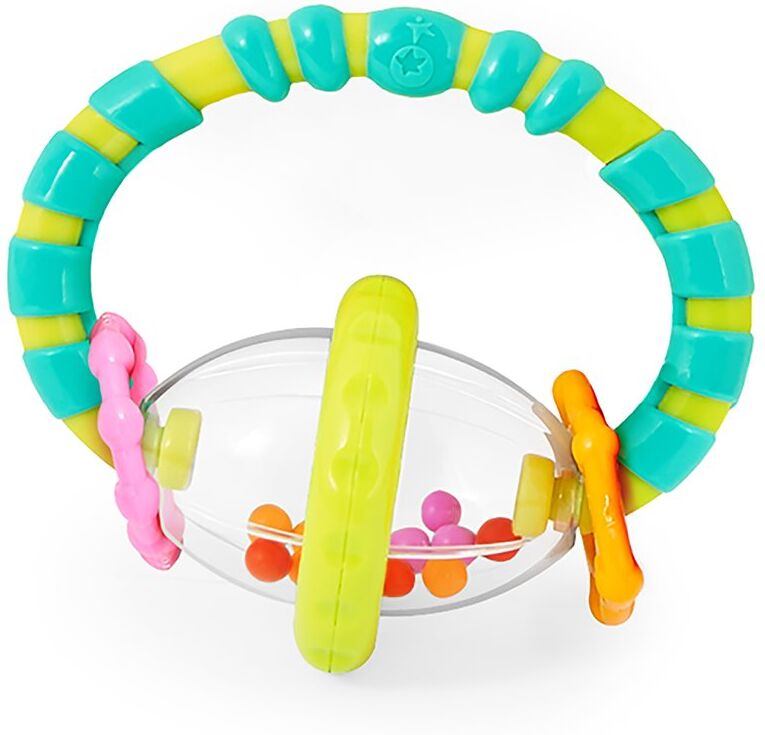
Bright Starts Teether & Rattle rattle with teether I. 3m+ 1 pcBright Starts Teether & Rattle, 1 pc, Baby Rattles For Kids, Bright Starts Teether & Rattle rattle will keep your baby occupied while developing their skills. Your little ones will be captivated by its material, colours and interesting sounds, while the parents will appreciate the safe design. Characteristics: can be easily held by a tiny hand draws baby’s attention lightweight and practical contrasting colours spark the baby’s interest and develop their eyesight biting toy with a rattle4,30 £*Shipping: 3,99 £Secure redirect to the provider
-
What are nerve cells and sensory organs in biology?
Nerve cells, also known as neurons, are the basic building blocks of the nervous system. They are specialized cells that transmit information through electrical and chemical signals. Sensory organs are specialized structures in the body that detect and respond to external stimuli, such as light, sound, touch, taste, and smell. These organs include the eyes, ears, skin, tongue, and nose, and they play a crucial role in allowing organisms to perceive and interact with their environment. **
-
What are stimuli and sensory organs in roller coasters?
Stimuli in roller coasters are the various forces and sensations experienced by riders, such as changes in speed, direction, and elevation. These stimuli can include acceleration, deceleration, and changes in gravitational forces. Sensory organs in roller coasters refer to the body's sensory systems, including the vestibular system (responsible for balance and spatial orientation) and the visual and proprioceptive systems (responsible for perceiving motion and body position). These sensory organs work together to process the stimuli experienced during the ride, allowing riders to perceive and respond to the various forces and sensations. **
-
Which three substances can be recognized with the sensory organs?
The sensory organs can recognize various substances, but three common ones are salt, sugar, and bitter compounds. The taste buds on the tongue can detect saltiness, sweetness, and bitterness, allowing us to perceive and differentiate between these substances. Additionally, the olfactory system in the nose can also recognize a wide range of substances through the sense of smell, including various chemicals, foods, and environmental odors. **
-
In which everyday situations should one protect their sensory organs?
One should protect their sensory organs in everyday situations such as when working with loud machinery or power tools to prevent damage to their ears. It is also important to protect the eyes from harmful UV rays by wearing sunglasses when outdoors for extended periods of time. Additionally, when cooking or working with chemicals, it is important to protect the eyes from potential splashes or fumes. Overall, it is important to be mindful of protecting sensory organs in any situation that could potentially cause harm or damage. **
* All prices are inclusive of VAT and, if applicable, plus shipping costs. The offer information is based on the details provided by the respective shop and is updated through automated processes. Real-time updates do not occur, so deviations can occur in individual cases. ** Note: Parts of this content were created by AI.