Buy anatomy46.eu ?
We are moving the project
anatomy46.eu .
Are you interested in purchasing the domain
anatomy46.eu ?
domain@kv-gmbh.de · 0541-91531010
Buy anatomy46.eu ?
Which muscles are most needed for butterfly swimming?
The muscles most needed for butterfly swimming are the chest muscles (pectoralis major), shoulder muscles (deltoids), upper back muscles (latissimus dorsi), and core muscles (abdominals and lower back). These muscles are essential for generating power and propulsion during the butterfly stroke. Additionally, strong leg muscles (quadriceps and hamstrings) are also important for kicking and maintaining a streamlined body position in the water. Regular strength training focusing on these muscle groups can help improve performance in butterfly swimming. **
Which muscles are most needed for the butterfly stroke?
The muscles most needed for the butterfly stroke are the chest muscles (pectoralis major), shoulder muscles (deltoids), upper back muscles (latissimus dorsi), and core muscles (abdominals). These muscles work together to provide the power and propulsion needed to execute the butterfly stroke effectively. Additionally, strong leg muscles (quadriceps and hamstrings) are also important for kicking and maintaining a streamlined body position in the water. **
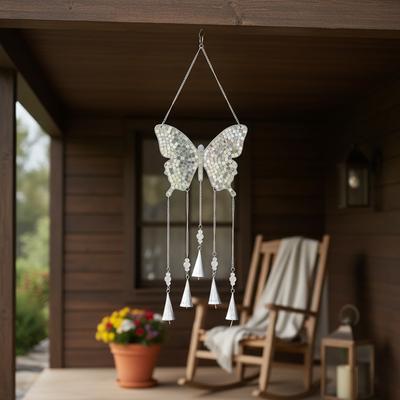
Similar search terms for Sagebrook-Home-Decorative-Butterfly
Top-Angebote
Products related to Sagebrook-Home-Decorative-Butterfly:
-
Sagebrook Home Renfe Quartz Resin Butterfly StatuaryOur figurines are carefully constructed with the finest quality materials, solid structures, and finishes. Accentuate your style while planning your interior design. Our creative and decorative sculptures are durable and are made to last!112,99 $*Shipping: 0,00 $Secure redirect to the provider


-
For the butterfly stroke, which muscles are most needed?
The butterfly stroke primarily relies on the muscles of the upper body, including the chest, shoulders, and arms. The chest muscles (pectoralis major) are important for the powerful arm movements, while the shoulder muscles (deltoids) help with the circular motion of the arms. The arm muscles, particularly the triceps and biceps, are crucial for propelling the body forward in the water. Additionally, the core muscles play a significant role in stabilizing the body and providing the necessary strength for the undulating body movement in the butterfly stroke. **
-
How are decorative items stored?
Decorative items are typically stored in various ways depending on their size, fragility, and material. Smaller decorative items such as figurines or vases are often stored in cabinets, shelves, or display cases to keep them safe and organized. Larger decorative items like sculptures or artwork may be stored in dedicated storage areas such as a closet or attic, or they may be displayed in a prominent location within a room. Fragile decorative items like glassware or ceramics are usually wrapped in protective materials such as bubble wrap or tissue paper before being stored to prevent damage. **
-
Which decorative plaster is this?
This is Venetian plaster, a type of decorative plaster that originated in Italy. It is known for its smooth, glossy finish that resembles polished marble. Venetian plaster is made from slaked lime and marble dust, giving it a luxurious and elegant appearance. It is often used to create a sophisticated and timeless look in interior design. **
-
Can decorative swords be sharpened?
Yes, decorative swords can be sharpened. However, it is important to consider the purpose of the sword and the materials it is made of before sharpening it. Some decorative swords are not designed for practical use and may not hold an edge well, while others are made of high-quality materials and can be sharpened for functional use. It is best to consult with a professional or someone experienced in sword maintenance before attempting to sharpen a decorative sword. **
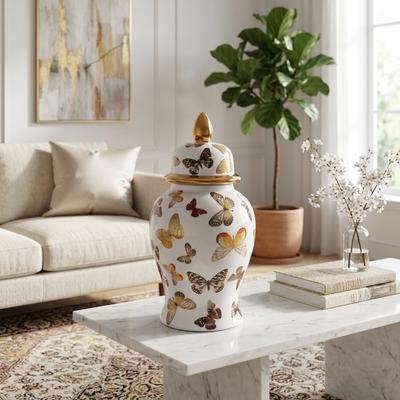
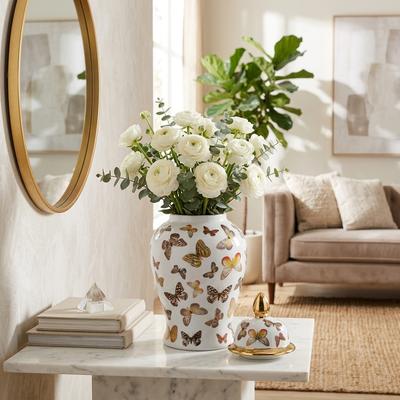
Why is the butterfly called butterfly in English?
The origin of the word "butterfly" in English is uncertain, but one theory suggests that it may have come from the Old English word "buttorfleoge," which means "butterfly." This could be because butterflies were often seen fluttering around dairy products like butter. Another theory is that the name comes from the yellow color of some species, resembling the color of butter. Ultimately, the exact reason for the name "butterfly" remains a bit of a mystery. **
How can one collect decorative weapons?
One can collect decorative weapons by researching different types of weapons and their historical significance. Visiting antique shops, auctions, and online marketplaces can help in finding unique and authentic pieces. It is important to ensure the weapons are legal to own and display, and to properly care for and maintain them to preserve their value. Joining collector groups or attending weapon shows can also provide opportunities to network with other enthusiasts and expand one's collection. **
Top-Angebote
Products related to Sagebrook-Home-Decorative-Butterfly:
-
Sagebrook Home Renfe Quartz Resin Butterfly StatuaryOur figurines are carefully constructed with the finest quality materials, solid structures, and finishes. Accentuate your style while planning your interior design. Our creative and decorative sculptures are durable and are made to last!112,99 $*Shipping: 0,00 $Secure redirect to the provider
-
Which muscles are most needed for butterfly swimming?
The muscles most needed for butterfly swimming are the chest muscles (pectoralis major), shoulder muscles (deltoids), upper back muscles (latissimus dorsi), and core muscles (abdominals and lower back). These muscles are essential for generating power and propulsion during the butterfly stroke. Additionally, strong leg muscles (quadriceps and hamstrings) are also important for kicking and maintaining a streamlined body position in the water. Regular strength training focusing on these muscle groups can help improve performance in butterfly swimming. **
-
Which muscles are most needed for the butterfly stroke?
The muscles most needed for the butterfly stroke are the chest muscles (pectoralis major), shoulder muscles (deltoids), upper back muscles (latissimus dorsi), and core muscles (abdominals). These muscles work together to provide the power and propulsion needed to execute the butterfly stroke effectively. Additionally, strong leg muscles (quadriceps and hamstrings) are also important for kicking and maintaining a streamlined body position in the water. **
-
For the butterfly stroke, which muscles are most needed?
The butterfly stroke primarily relies on the muscles of the upper body, including the chest, shoulders, and arms. The chest muscles (pectoralis major) are important for the powerful arm movements, while the shoulder muscles (deltoids) help with the circular motion of the arms. The arm muscles, particularly the triceps and biceps, are crucial for propelling the body forward in the water. Additionally, the core muscles play a significant role in stabilizing the body and providing the necessary strength for the undulating body movement in the butterfly stroke. **
-
How are decorative items stored?
Decorative items are typically stored in various ways depending on their size, fragility, and material. Smaller decorative items such as figurines or vases are often stored in cabinets, shelves, or display cases to keep them safe and organized. Larger decorative items like sculptures or artwork may be stored in dedicated storage areas such as a closet or attic, or they may be displayed in a prominent location within a room. Fragile decorative items like glassware or ceramics are usually wrapped in protective materials such as bubble wrap or tissue paper before being stored to prevent damage. **
Similar search terms for Sagebrook-Home-Decorative-Butterfly
-
Which decorative plaster is this?
This is Venetian plaster, a type of decorative plaster that originated in Italy. It is known for its smooth, glossy finish that resembles polished marble. Venetian plaster is made from slaked lime and marble dust, giving it a luxurious and elegant appearance. It is often used to create a sophisticated and timeless look in interior design. **
-
Can decorative swords be sharpened?
Yes, decorative swords can be sharpened. However, it is important to consider the purpose of the sword and the materials it is made of before sharpening it. Some decorative swords are not designed for practical use and may not hold an edge well, while others are made of high-quality materials and can be sharpened for functional use. It is best to consult with a professional or someone experienced in sword maintenance before attempting to sharpen a decorative sword. **
-
Why is the butterfly called butterfly in English?
The origin of the word "butterfly" in English is uncertain, but one theory suggests that it may have come from the Old English word "buttorfleoge," which means "butterfly." This could be because butterflies were often seen fluttering around dairy products like butter. Another theory is that the name comes from the yellow color of some species, resembling the color of butter. Ultimately, the exact reason for the name "butterfly" remains a bit of a mystery. **
-
How can one collect decorative weapons?
One can collect decorative weapons by researching different types of weapons and their historical significance. Visiting antique shops, auctions, and online marketplaces can help in finding unique and authentic pieces. It is important to ensure the weapons are legal to own and display, and to properly care for and maintain them to preserve their value. Joining collector groups or attending weapon shows can also provide opportunities to network with other enthusiasts and expand one's collection. **
* All prices are inclusive of VAT and, if applicable, plus shipping costs. The offer information is based on the details provided by the respective shop and is updated through automated processes. Real-time updates do not occur, so deviations can occur in individual cases. ** Note: Parts of this content were created by AI.