Buy anatomy46.eu ?
We are moving the project
anatomy46.eu .
Are you interested in purchasing the domain
anatomy46.eu ?
domain@kv-gmbh.de · 0541-91531010
Buy anatomy46.eu ?
Why do some people find blood and organs disgusting?
Some people find blood and organs disgusting due to a combination of cultural, psychological, and evolutionary factors. Culturally, there may be taboos or stigmas surrounding blood and bodily organs, leading to a learned aversion. Psychologically, the sight of blood and organs may trigger a fear response or feelings of disgust, which can be influenced by individual differences in sensitivity and past experiences. From an evolutionary perspective, disgust towards blood and organs may have developed as a way to avoid potential sources of infection or disease, as they can carry pathogens. Overall, the aversion to blood and organs can be influenced by a complex interplay of cultural, psychological, and evolutionary factors. **
Do Pokémon have organs like flesh or muscles like a human?
Pokémon are fictional creatures, and their anatomy is not fully explained in the Pokémon universe. However, they are often depicted as having physical bodies with flesh, muscles, and other organs similar to those of real animals. In the Pokémon games, TV shows, and movies, they are shown to have physical forms and exhibit behaviors that suggest they have internal organs and musculature. While the specifics of their anatomy may not be fully detailed, it is generally understood that Pokémon have physical bodies with similar biological components to real animals. **


Similar search terms for Vignoble-Dampt-Freres-Vignoble
Top-Angebote
Products related to Vignoble-Dampt-Freres-Vignoble:
-
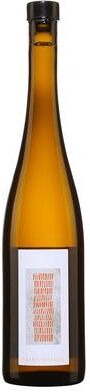
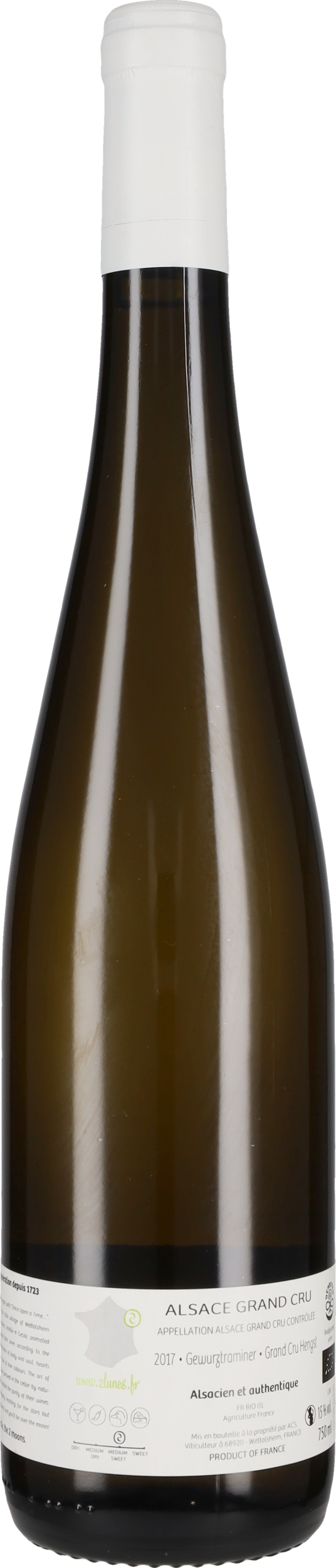
Gewurtztraminer 'Hengst' Vignoble Des 2 Lunes 2017The Gewurztraminer ‘Hengst’ from the biodynamic estate Vignoble des 2 Lunes is a full-bodied and rich expression of the prestigious Alsace vineyard ‘Hengst’ and the Gewurztraminer grape, an aromatic variety with pink berries that reaches its qualitative peak in Alsace. The ‘Hengst’ plot is one of the most renowned and celebrated Grand Cru vineyards in the region, located near the village of Wintzenheim, just a short distance from the charming city of Colmar. Gewurztraminer occupies more than half of the total vineyard area of this Grand Cru, one of the southernmost in Alsace, characterized by a rather dry microclimate that promotes the full ripening of the grapes cultivated here.Vignoble des 2 Lunes ‘Hengst’ Gewurztraminer is an interpretation of the aromatic variety grown under organic and biodynamic practices. Specifically, the vineyard is planted on soils with a high limestone content, situated at an altitude of about 300 meters above sea level. The grapes, rigorously hand-harvested, are vinified as white wine through gentle pressing and subsequent spontaneous alcoholic fermentation of the must in stainless steel tanks. The subsequent aging phase takes place in oak barrels, where the wine rests for several months before final bottling.The Gewurztraminer Vignoble des 2 Lunes ‘Hengst’ is of an intense and consistent golden-yellow color. Aromatic notes of lychee, pineapple, apricot, citrus zest, honey, rose petals, licorice, dried fruit, and herbs emerge decisively and complexly from the glass. On the palate, it is full and structured, soft and rich, with a persistent and balanced finish where the sweet aromatic sensations felt on the nose return.31,00 £*Shipping: 48,00 £Secure redirect to the provider


-
Are all organs of the human body surrounded by blood?
No, not all organs of the human body are surrounded by blood. While blood vessels do supply most organs with oxygen and nutrients, there are some organs that do not have direct blood supply, such as the cornea of the eye and the cartilage in joints. These organs receive nutrients and oxygen through diffusion from nearby blood vessels. **
-
What kind of skeleton and blood dragons are there in Skyrim?
In Skyrim, there are two types of dragons: skeletal dragons and blood dragons. Skeletal dragons are reanimated dragon corpses that are encountered in certain areas of the game. They are typically more powerful than regular dragons and have a unique appearance with a skeletal frame. Blood dragons, on the other hand, are a type of dragon that is characterized by their red, blood-like scales. They are one of the more common types of dragons encountered in the game and are known for their aggressive nature and powerful attacks. **
-
Can organs also be affected by fibromyalgia or does it only affect the muscles?
Fibromyalgia primarily affects the muscles, causing widespread pain, tenderness, and fatigue. However, it can also affect other parts of the body, including the organs. Some people with fibromyalgia may experience symptoms such as irritable bowel syndrome, bladder issues, and headaches. Additionally, fibromyalgia has been associated with conditions like temporomandibular joint disorder and restless legs syndrome, which can impact the jaw and legs, respectively. While the exact relationship between fibromyalgia and these other symptoms is not fully understood, it is clear that the condition can have a broader impact on the body beyond just the muscles. **
-
What are the functions of organs, blood, plasma, bone marrow, and organ transport?
Organs perform specific functions within the body, such as the heart pumping blood, the lungs exchanging oxygen and carbon dioxide, and the liver filtering toxins. Blood carries oxygen, nutrients, and hormones to cells, and removes waste products. Plasma is the liquid component of blood that carries these substances. Bone marrow produces blood cells, including red blood cells, white blood cells, and platelets. Organ transport, such as the circulatory system, moves blood and other substances throughout the body to support the functions of various organs and tissues. **
Why are these organs being supplied with blood while the others are not?
The organs being supplied with blood are likely vital for immediate survival, such as the heart and brain. These organs require a constant supply of oxygen and nutrients to function properly. In a situation where blood flow is restricted, the body prioritizes these essential organs to ensure their continued function. Other organs may have reduced blood flow in order to redirect resources to the vital organs. **
What are functional organs and machine organs?
Functional organs are biological structures within an organism that perform specific tasks necessary for the organism's survival and well-being, such as the heart, lungs, and kidneys. Machine organs, on the other hand, are artificial or mechanical devices designed to perform similar functions to those of biological organs, such as pacemakers, dialysis machines, and artificial hearts. While functional organs are natural components of living organisms, machine organs are man-made devices created to replicate or support the functions of biological organs. **
Top-Angebote
Products related to Vignoble-Dampt-Freres-Vignoble:
-
"""Vignoble Dampt Freres""" """Vignoble Dampt Freres Chablis Vieilles Vignes 2021 White Wine - France""""""This wine is sparkling gold. Initially the nose is a little reserved, after aeration one finds saline and floral notes. The mouth is dominated by minerality and saline. Good balance. The aromatic concentration is lengthy and remains fresh. Perfect..."28,99 $*Shipping: 0,00 $Secure redirect to the provider
-
"""Vignoble Dampt Freres""" """Vignoble Dampt Freres Chablis Les Fourneaux Premier Cru 2020 White Wine - France""""""Nice gold highlights. On the nose, notes of minerals, ripe grapes and white fruits. This is a complex and well balance wine. The final is persistent and characterized by a harmonious minerality. Perfect with seafood or grilled fish."""38,97 $*Shipping: 0,00 $Secure redirect to the provider
-
Why do some people find blood and organs disgusting?
Some people find blood and organs disgusting due to a combination of cultural, psychological, and evolutionary factors. Culturally, there may be taboos or stigmas surrounding blood and bodily organs, leading to a learned aversion. Psychologically, the sight of blood and organs may trigger a fear response or feelings of disgust, which can be influenced by individual differences in sensitivity and past experiences. From an evolutionary perspective, disgust towards blood and organs may have developed as a way to avoid potential sources of infection or disease, as they can carry pathogens. Overall, the aversion to blood and organs can be influenced by a complex interplay of cultural, psychological, and evolutionary factors. **
-
Do Pokémon have organs like flesh or muscles like a human?
Pokémon are fictional creatures, and their anatomy is not fully explained in the Pokémon universe. However, they are often depicted as having physical bodies with flesh, muscles, and other organs similar to those of real animals. In the Pokémon games, TV shows, and movies, they are shown to have physical forms and exhibit behaviors that suggest they have internal organs and musculature. While the specifics of their anatomy may not be fully detailed, it is generally understood that Pokémon have physical bodies with similar biological components to real animals. **
-
Are all organs of the human body surrounded by blood?
No, not all organs of the human body are surrounded by blood. While blood vessels do supply most organs with oxygen and nutrients, there are some organs that do not have direct blood supply, such as the cornea of the eye and the cartilage in joints. These organs receive nutrients and oxygen through diffusion from nearby blood vessels. **
-
What kind of skeleton and blood dragons are there in Skyrim?
In Skyrim, there are two types of dragons: skeletal dragons and blood dragons. Skeletal dragons are reanimated dragon corpses that are encountered in certain areas of the game. They are typically more powerful than regular dragons and have a unique appearance with a skeletal frame. Blood dragons, on the other hand, are a type of dragon that is characterized by their red, blood-like scales. They are one of the more common types of dragons encountered in the game and are known for their aggressive nature and powerful attacks. **
Similar search terms for Vignoble-Dampt-Freres-Vignoble
-
Gewurtztraminer 'Hengst' Vignoble Des 2 Lunes 2017The Gewurztraminer ‘Hengst’ from the biodynamic estate Vignoble des 2 Lunes is a full-bodied and rich expression of the prestigious Alsace vineyard ‘Hengst’ and the Gewurztraminer grape, an aromatic variety with pink berries that reaches its qualitative peak in Alsace. The ‘Hengst’ plot is one of the most renowned and celebrated Grand Cru vineyards in the region, located near the village of Wintzenheim, just a short distance from the charming city of Colmar. Gewurztraminer occupies more than half of the total vineyard area of this Grand Cru, one of the southernmost in Alsace, characterized by a rather dry microclimate that promotes the full ripening of the grapes cultivated here.Vignoble des 2 Lunes ‘Hengst’ Gewurztraminer is an interpretation of the aromatic variety grown under organic and biodynamic practices. Specifically, the vineyard is planted on soils with a high limestone content, situated at an altitude of about 300 meters above sea level. The grapes, rigorously hand-harvested, are vinified as white wine through gentle pressing and subsequent spontaneous alcoholic fermentation of the must in stainless steel tanks. The subsequent aging phase takes place in oak barrels, where the wine rests for several months before final bottling.The Gewurztraminer Vignoble des 2 Lunes ‘Hengst’ is of an intense and consistent golden-yellow color. Aromatic notes of lychee, pineapple, apricot, citrus zest, honey, rose petals, licorice, dried fruit, and herbs emerge decisively and complexly from the glass. On the palate, it is full and structured, soft and rich, with a persistent and balanced finish where the sweet aromatic sensations felt on the nose return.31,00 £*Shipping: 48,00 £Secure redirect to the provider
-
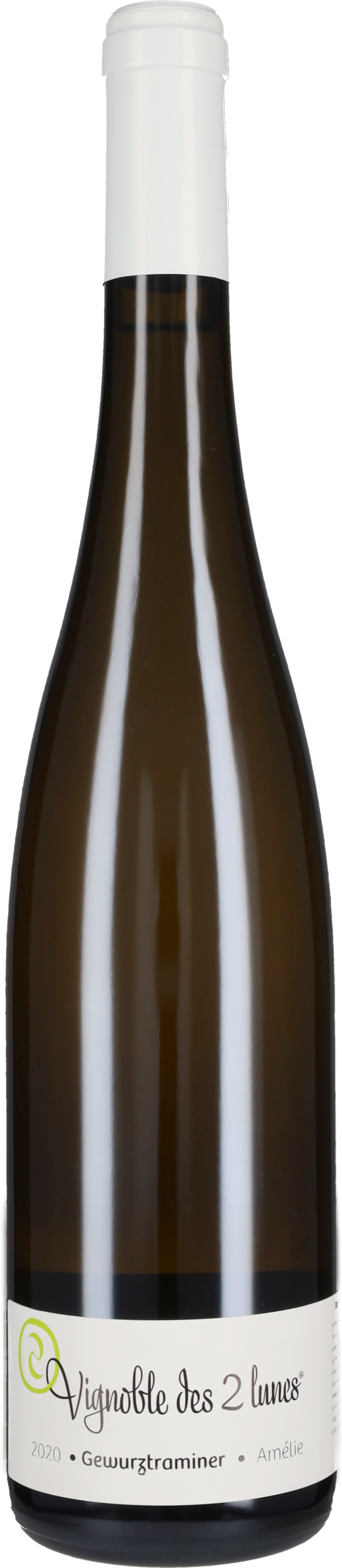
Gewurtztraminer 'Amelie' Vignoble Des 2 Lunes 2020The Gewurztraminer 'Amelie' from Vignoble des 2 Lunes is a sweet white wine from Alsace that releases sweet and aromatic scents typical of the grape variety. The category of sweet wines defines those wines that have a residual sugar content between 30 and 50 g/l, clearly perceptible on the palate but not sufficient to define them as sweet. This type is particularly widespread in Alsace, especially regarding Gewurztraminer, an aromatic grape that naturally tends to accumulate high concentrations of sugars. Regarding this label, the name is linked to Amélie, one of the two sisters of the Buecher family who have been managing the Domaine since 2009. Vignoble des 2 Lunes Gewurztraminer 'Amelie' originates from pure Gewurztraminer grapes grown under certified biodynamic regime since 2007. Once the right level of ripeness is reached, the clusters are harvested and carefully selected, and then softly pressed. The resulting must is then conveyed into stainless steel tanks for spontaneous alcoholic fermentation conducted by only indigenous yeasts. Even the subsequent aging phase for a few months, which takes place on fine lees, occurs in steel, without the use of wood, in order to maximize the expression of the grape variety and the terroir. The Gewurztraminer Vignoble des 2 Lunes 'Amelie' possesses an intense and consistent golden yellow color. From the glass emerge enveloping and rich aromatic scents of lychee, pineapple, ripe apricot, peach, ginger, lily, and rose petals, with hints of honey, nutmeg, and flint complementing them. The taste is warm and round, full and structured, characterized by delicate sweetness and a seductive aromatic vein that gives remarkable expressiveness to the persistent gustatory finish.22,00 £*Shipping: 48,00 £Secure redirect to the provider
-
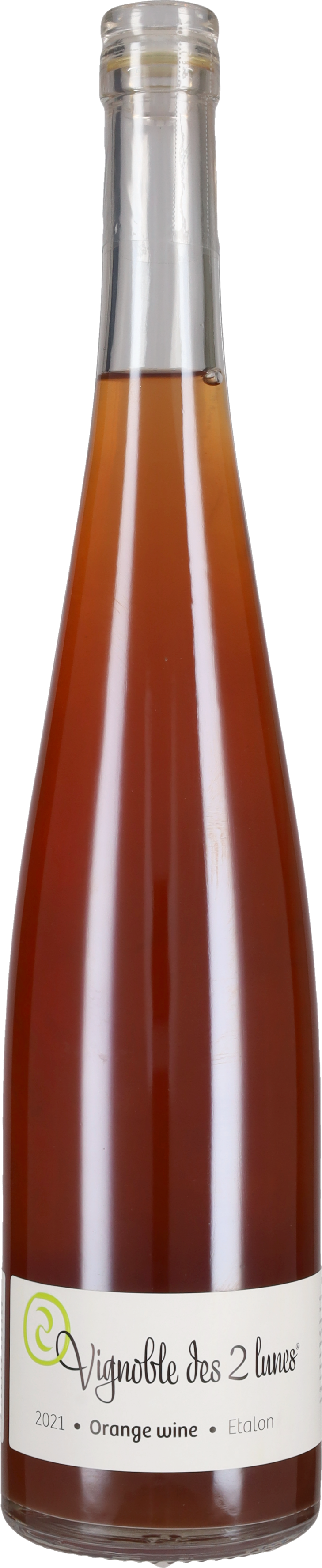
Orange 'L'Etalon' Vignoble Des 2 Lunes 2021The Orange ‘L’Etalon’ from Vignoble des 2 Lunes is an energetic white macerated wine produced in Alsace, embracing a holistic biodynamic vision. The so-called "orange wine" trend is increasingly characterizing the new wave of Alsatian producers, focused on a modern approach based on two fundamental pillars: experimentation and sustainability. Following this belief, sisters Amélie and Cécile Buecher, owners of Domaine Vignoble des 2 Lunes, interpret two of the most important traditional Alsatian grape varieties, Gewurztraminer and Pinot Gris, in an innovative way.‘L’Etalon’ Vignoble des 2 Lunes Orange is made from a blend of Gewurztraminer and Pinot Gris grapes cultivated in accordance with the principles of certified organic and biodynamic farming. In the winery, the grapes undergo red vinification through spontaneous alcoholic fermentation in stainless steel tanks with skin maceration. After fermentation, the wine is transferred to Austrian oak barrels, where it matures for about 12 months before final bottling and further aging in glass.The Orange ‘L’Etalon’ from the biodynamic Domaine Vignoble des 2 Lunes impresses with its bright amber-yellow color. The aromas range from notes of lychee, rose petals, orange blossom, dried fruit, and pink pepper, with enticing mineral perceptions as a backdrop. On the palate, the progression is fresh, elegant, and balanced, with an energetic development enhanced by delicate tannins. Due to its powerful structure, this macerated white wine pairs well with richly flavored dishes, such as white meat main courses or medium-aged cheeses.16,00 £*Shipping: 48,00 £Secure redirect to the provider
-
Can organs also be affected by fibromyalgia or does it only affect the muscles?
Fibromyalgia primarily affects the muscles, causing widespread pain, tenderness, and fatigue. However, it can also affect other parts of the body, including the organs. Some people with fibromyalgia may experience symptoms such as irritable bowel syndrome, bladder issues, and headaches. Additionally, fibromyalgia has been associated with conditions like temporomandibular joint disorder and restless legs syndrome, which can impact the jaw and legs, respectively. While the exact relationship between fibromyalgia and these other symptoms is not fully understood, it is clear that the condition can have a broader impact on the body beyond just the muscles. **
-
What are the functions of organs, blood, plasma, bone marrow, and organ transport?
Organs perform specific functions within the body, such as the heart pumping blood, the lungs exchanging oxygen and carbon dioxide, and the liver filtering toxins. Blood carries oxygen, nutrients, and hormones to cells, and removes waste products. Plasma is the liquid component of blood that carries these substances. Bone marrow produces blood cells, including red blood cells, white blood cells, and platelets. Organ transport, such as the circulatory system, moves blood and other substances throughout the body to support the functions of various organs and tissues. **
-
Why are these organs being supplied with blood while the others are not?
The organs being supplied with blood are likely vital for immediate survival, such as the heart and brain. These organs require a constant supply of oxygen and nutrients to function properly. In a situation where blood flow is restricted, the body prioritizes these essential organs to ensure their continued function. Other organs may have reduced blood flow in order to redirect resources to the vital organs. **
-
What are functional organs and machine organs?
Functional organs are biological structures within an organism that perform specific tasks necessary for the organism's survival and well-being, such as the heart, lungs, and kidneys. Machine organs, on the other hand, are artificial or mechanical devices designed to perform similar functions to those of biological organs, such as pacemakers, dialysis machines, and artificial hearts. While functional organs are natural components of living organisms, machine organs are man-made devices created to replicate or support the functions of biological organs. **
* All prices are inclusive of VAT and, if applicable, plus shipping costs. The offer information is based on the details provided by the respective shop and is updated through automated processes. Real-time updates do not occur, so deviations can occur in individual cases. ** Note: Parts of this content were created by AI.