Buy anatomy46.eu ?
We are moving the project
anatomy46.eu .
Are you interested in purchasing the domain
anatomy46.eu ?
domain@kv-gmbh.de · 0541-91531010
Buy anatomy46.eu ?
Which wood is modern?
Modern wood typically refers to engineered woods such as plywood, MDF (medium-density fiberboard), and particleboard. These woods are popular in modern furniture and construction due to their versatility, strength, and cost-effectiveness. They are often used in contemporary design to achieve sleek and minimalist aesthetics. **
Which wood should be used to practice wood joints?
For practicing wood joints, it is best to use softwoods such as pine, cedar, or fir. Softwoods are easier to work with and are more forgiving for beginners learning how to cut and shape wood joints. They are also more affordable and readily available, making them a practical choice for practice projects. Additionally, softwoods are less dense than hardwoods, making them easier to cut and shape with basic woodworking tools. **


Similar search terms for YUZHOU-Modern-Wood-Corner
Top-Angebote
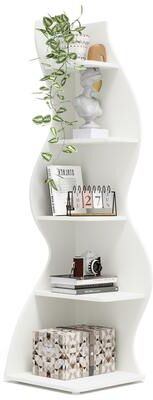
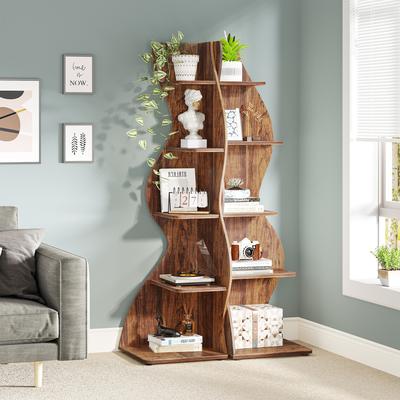
Products related to YUZHOU-Modern-Wood-Corner:


-
What do I use to seal wood joints?
You can use wood glue to seal wood joints. Wood glue is specifically designed to create a strong bond between wood surfaces, making it an ideal choice for sealing joints in woodworking projects. It is important to apply the wood glue evenly and allow it to dry completely to ensure a secure and durable seal. Additionally, you can also use wood fillers or epoxy resin to seal wood joints, depending on the specific requirements of your project. **
-
What is around the corner at the corner?
Around the corner at the corner, you may find a bustling intersection with pedestrians crossing, cars waiting at traffic lights, and possibly a street vendor selling snacks or drinks. There could also be a local store, a cafe, or a bus stop. The corner is often a hub of activity and a meeting point for people in the neighborhood. **
-
Which muscles are used when sawing wood?
When sawing wood, muscles in the arms, shoulders, and back are primarily used. The biceps and triceps in the arms are engaged to provide the force needed to move the saw back and forth. The shoulder muscles help stabilize the arms and provide additional power. The muscles in the back, particularly the latissimus dorsi and trapezius, are also activated to support the movement and maintain posture. **
-
How can one loosen the wood joints in a shelf?
To loosen wood joints in a shelf, you can try using a rubber mallet to gently tap the joints to help loosen them. You can also use a lubricant such as WD-40 or a penetrating oil to help loosen the joints. If the joints are glued, you may need to use a heat gun to soften the glue before attempting to loosen the joints. Be careful not to use too much force or you may risk damaging the shelf. **
How can one remove blood from wood?
To remove blood from wood, you can start by wiping the area with a damp cloth to remove as much of the blood as possible. Then, mix a solution of warm water and mild dish soap and gently scrub the stained area with a soft-bristled brush. If the stain persists, you can try using a mixture of hydrogen peroxide and water, or a paste of baking soda and water, and gently scrub the area. After treating the stain, be sure to thoroughly dry the wood to prevent any warping or damage. **
When do you get blood from wood?
Bloodwood is a type of tree that is known for its deep red color, which resembles the color of blood. However, it does not actually produce blood. The term "bloodwood" is simply a descriptive name for the tree based on the color of its wood. Therefore, you do not actually get blood from wood. **
Top-Angebote
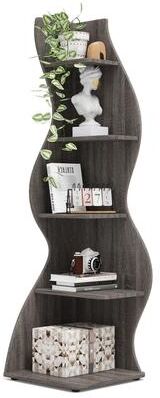
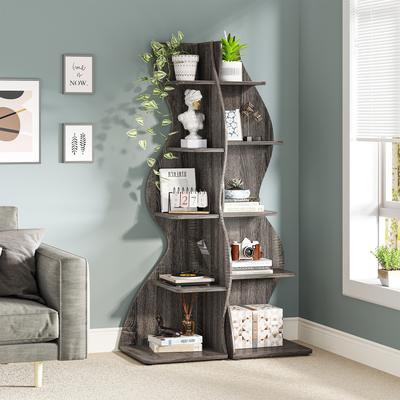
Products related to YUZHOU-Modern-Wood-Corner:
-
Which wood is modern?
Modern wood typically refers to engineered woods such as plywood, MDF (medium-density fiberboard), and particleboard. These woods are popular in modern furniture and construction due to their versatility, strength, and cost-effectiveness. They are often used in contemporary design to achieve sleek and minimalist aesthetics. **
-
Which wood should be used to practice wood joints?
For practicing wood joints, it is best to use softwoods such as pine, cedar, or fir. Softwoods are easier to work with and are more forgiving for beginners learning how to cut and shape wood joints. They are also more affordable and readily available, making them a practical choice for practice projects. Additionally, softwoods are less dense than hardwoods, making them easier to cut and shape with basic woodworking tools. **
-
What do I use to seal wood joints?
You can use wood glue to seal wood joints. Wood glue is specifically designed to create a strong bond between wood surfaces, making it an ideal choice for sealing joints in woodworking projects. It is important to apply the wood glue evenly and allow it to dry completely to ensure a secure and durable seal. Additionally, you can also use wood fillers or epoxy resin to seal wood joints, depending on the specific requirements of your project. **
-
What is around the corner at the corner?
Around the corner at the corner, you may find a bustling intersection with pedestrians crossing, cars waiting at traffic lights, and possibly a street vendor selling snacks or drinks. There could also be a local store, a cafe, or a bus stop. The corner is often a hub of activity and a meeting point for people in the neighborhood. **
Similar search terms for YUZHOU-Modern-Wood-Corner
-
Which muscles are used when sawing wood?
When sawing wood, muscles in the arms, shoulders, and back are primarily used. The biceps and triceps in the arms are engaged to provide the force needed to move the saw back and forth. The shoulder muscles help stabilize the arms and provide additional power. The muscles in the back, particularly the latissimus dorsi and trapezius, are also activated to support the movement and maintain posture. **
-
How can one loosen the wood joints in a shelf?
To loosen wood joints in a shelf, you can try using a rubber mallet to gently tap the joints to help loosen them. You can also use a lubricant such as WD-40 or a penetrating oil to help loosen the joints. If the joints are glued, you may need to use a heat gun to soften the glue before attempting to loosen the joints. Be careful not to use too much force or you may risk damaging the shelf. **
-
How can one remove blood from wood?
To remove blood from wood, you can start by wiping the area with a damp cloth to remove as much of the blood as possible. Then, mix a solution of warm water and mild dish soap and gently scrub the stained area with a soft-bristled brush. If the stain persists, you can try using a mixture of hydrogen peroxide and water, or a paste of baking soda and water, and gently scrub the area. After treating the stain, be sure to thoroughly dry the wood to prevent any warping or damage. **
-
When do you get blood from wood?
Bloodwood is a type of tree that is known for its deep red color, which resembles the color of blood. However, it does not actually produce blood. The term "bloodwood" is simply a descriptive name for the tree based on the color of its wood. Therefore, you do not actually get blood from wood. **
* All prices are inclusive of VAT and, if applicable, plus shipping costs. The offer information is based on the details provided by the respective shop and is updated through automated processes. Real-time updates do not occur, so deviations can occur in individual cases. ** Note: Parts of this content were created by AI.